Passionflower And The Nervous System: What The Research Shows
Passionflower (Passiflora incarnata) has a long history of traditional use for calming the nervous system, and a modern research base that, while still developing, is more substantial than many other calming botanicals.
It is arguably the ingredient with the clearest traditional and research precedent in a formula like NerveSalt's.
A long traditional history
Passionflower has been used in traditional herbal practice for generations, generally associated with calming and relaxation. This traditional use is documented by the National Center for Complementary and Integrative Health (NCCIH), part of the NIH.
What modern research has examined
Modern research on Passionflower has looked at its potential association with anxiety-related outcomes and sleep quality, generally in small to moderate-sized human trials. Compared to many botanicals in the calming-supplement space, Passionflower has a comparatively more developed research base, though it remains smaller in scale than research on more heavily studied compounds.
How it may work
Passionflower is generally thought to interact with GABA pathways in the brain, GABA being an inhibitory neurotransmitter associated with calming neural activity. This is a plausible, biologically reasonable mechanism, though the exact compounds responsible and their precise activity are still an active area of research.
Being honest about the evidence tier
What it does not do
Passionflower is not a treatment for anxiety disorders, insomnia, or any diagnosed neurological or psychiatric condition. It is a traditional calming botanical with modest modern research support, not a substitute for professional mental health or sleep medicine care when that is genuinely needed.
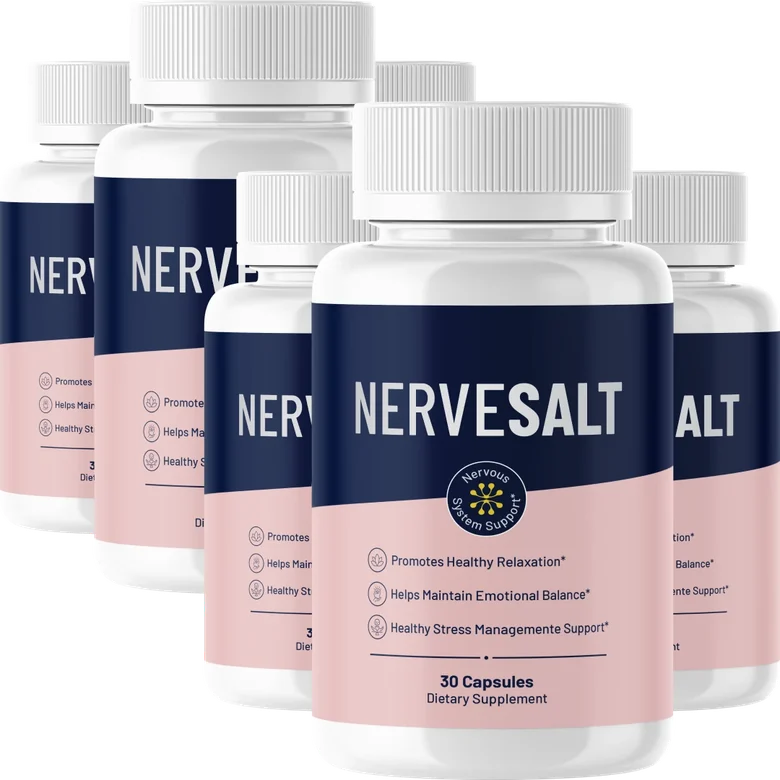
Applying this to NerveSalt
Passionflower is one of NerveSalt's five named ingredients, and it is arguably the single ingredient here with the clearest traditional and modern research precedent for nervous system calming. As with the rest of the formula, the exact amount per capsule is not disclosed, which limits how directly it can be compared to research doses.